
Service
Fire Escape Stair Inspections
Periodic inspection and structural assessment of external fire escape staircases, walkways, landings and associated means-of-escape structures.
External steel escape stairs are continuously exposed to weathering, corrosion, fatigue, accidental damage and long-term deterioration whilst forming a critical component of a building’s fire safety strategy. Failure of these structures during an emergency evacuation could have severe consequences for building occupants and owners alike. Regular inspection and maintenance are therefore essential to ensure continued structural integrity and safe operation.
Tashi Structures provides detailed structural inspections in accordance with the principles of BS 8210 and current industry best practice, assessing the condition, stability and serviceability of the structure. Inspections typically include assessment of primary and secondary steelwork, stair flights, landings, support frames, connections, welds, bolts, corrosion protection systems, guardrails, balustrades, fixings to the main building, signs of distortion, excessive deflection, local deterioration and any modifications undertaken during the life of the structure.
Reports provide a clear record of the structure’s condition together with identification of defects, risk categorisation, maintenance priorities and recommendations for repair, strengthening or replacement where required. The resulting documentation assists building owners, facilities managers, managing agents and duty holders in demonstrating that escape structures are being appropriately inspected and maintained as part of their wider statutory responsibilities.
For many commercial, residential, educational and institutional buildings, industry guidance recommends that external fire escape structures are subject to a formal structural inspection at intervals not exceeding five years, with more frequent inspections where the environment, age or condition of the structure warrants closer monitoring.
Key points
- External steel escape stair assessment
- Inspection per principles of BS 8210
- Checks corrosion, fatigue and damage
- Reviews connections, welds and fixings
- Risk categorisation of defects
- Repair, strengthening and replacement advice
When you need this
External steel escape stairs are exposed to weathering, corrosion, fatigue and accidental damage, yet remain a critical fire-safety component. Industry guidance recommends formal inspection at intervals not exceeding five years, and more frequently where the environment, age or condition warrant it.
Frequently asked questions
What does the inspection cover?
We assess the steelwork, stair flights, landings, support frames, connections, welds, bolts, corrosion protection, guardrails, balustrades and fixings, looking for corrosion, distortion, deflection and damage. The inspection follows the principles of BS 8210 and industry best practice.
How often should fire escape stairs be inspected?
Industry guidance recommends formal inspection at intervals not exceeding five years. More frequent inspection is advisable where the environment, age or condition of the structure warrants it.
What does the report contain?
The report provides a record of condition, identifies defects with a risk categorisation, sets out maintenance priorities and gives recommendations for repair, strengthening or replacement.
How does this help duty holders?
A documented inspection helps owners, facilities managers and duty holders demonstrate that escape structures are being inspected and maintained as part of their wider responsibilities.
What happens if defects are found?
Defects are categorised by risk so that the most urgent issues are clear, and we set out maintenance priorities and recommendations for repair, strengthening or replacement as appropriate.
Related services

Structural Inspections
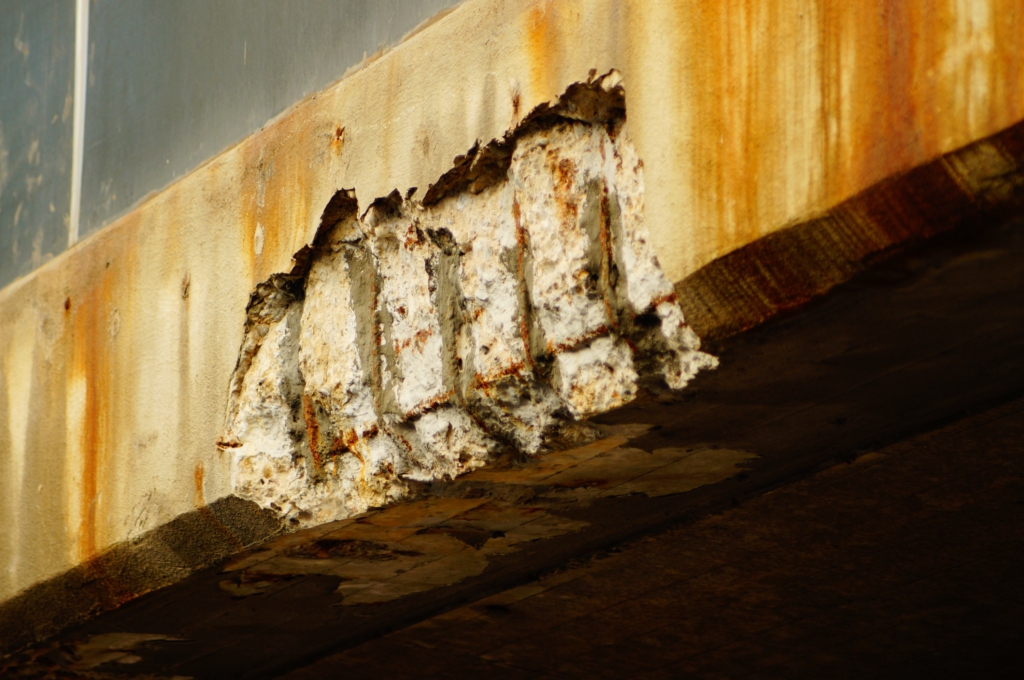
Independent structural inspections, condition assessments and defect investigations for commercial buildings, industrial premises, property portfolios and managed assets.
Defect Investigations
Independent structural inspections, condition assessments and defect investigations for commercial buildings, industrial premises, property portfolios and managed assets.

Change of Use Assessments
Structural engineering services for commercial alterations, refurbishments, change of use projects, accessibility improvements and redevelopment of existing buildings.
Commercial Structural Advice & Design
Structural engineering services for developers, property owners, architects, contractors, funders and commercial clients.

Feasibility Studies
Early-stage structural advice to help clients understand what is achievable before committing significant time and expense to a project.

Mezzanine Floors
Structural design and assessment of mezzanine floor installations for commercial, industrial and mixed-use buildings.
Discuss your project
Get in touch to talk through what you need.